ADVERTISEMENT
How To Maintain A Healthy Weight After 40
Did you notice how the scale moves a little differently after you turn 40? You're not imagining it. Changes in metabolism, muscle mass, and hormones can make weight management trickier than before. But here's the good news: with the right approach, you can stay healthy, strong, and at a weight that works for you—without feeling deprived. Let's break it down.
Why Weight Changes After 40?
As we age, several shifts happen in the body. Muscle mass naturally declines, which slows your metabolism. Hormonal changes—especially during perimenopause and menopause for women, and gradual testosterone decline in men—affect how your body stores fat.
Energy needs are lower than they used to be, meaning you can gain weight eating the same amount of food you did in your 20s or 30s. Understanding these changes helps you plan smarter, not harder.
Focus On Nutrient-Dense Foods
Eating less isn't enough—you need to eat well. Every calorie should bring value. That means choosing foods rich in vitamins, minerals, and fibre while keeping added sugars and processed fats in check.
Lean proteins like chicken, fish, tofu, and legumes help preserve muscle.
High-fibre vegetables such as leafy greens, carrots, and broccoli keep you full longer.
Healthy fats from nuts, seeds, olive oil, and avocado support hormone balance.
Whole grains like quinoa, oats, and brown rice provide steady energy.
The more your plate is filled with real, colourful foods, the less room there is for empty-calorie snacks that don't serve your health.
Make Protein A Priority
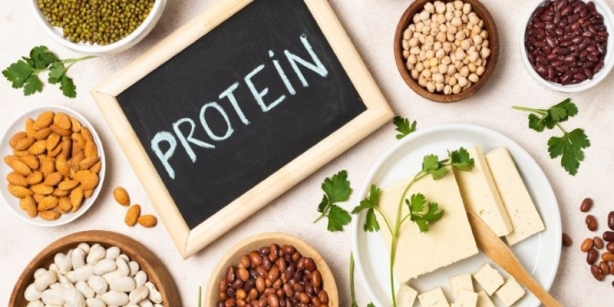
Protein plays a bigger role after 40 than many realise. It not only keeps you full but also supports muscle repair and growth, which is key to keeping your metabolism from slowing too much. Try to include some protein in every meal and snack. Think Greek yoghurt in the morning, grilled fish for lunch, or a handful of almonds as an afternoon bite.
Strength Training Is Your Best Friend
Cardio is excellent for heart health, but if you're serious about maintaining weight after 40, strength training deserves top billing. Lifting weights, using resistance bands, or doing bodyweight exercises like squats and push-ups builds and preserves lean muscle. More muscle means a faster resting metabolism, so you burn more calories even at rest.
Aim for at least two to three strength workouts a week. You don’t need a gym—resistance bands or simple home exercises can do the trick.
Stay Active Beyond The Gym
A few workouts each week aren’t enough if the rest of your day is spent sitting. Look for ways to move more throughout the day. Take the stairs, walk while on calls, or do a few stretches when you get up for water. Small, frequent movements help offset the slower calorie burn that comes with age.
Mind Your Portions
After 40, your body doesn't need as many calories. That doesn't mean going hungry—it means being aware of how much you're eating. Use smaller plates, check serving sizes, and pause before going for seconds. Often, we eat more out of habit than hunger.
Manage Stress And Sleep
Chronic Stress can spike cortisol levels, which is linked to increased belly fat. Poor sleep disrupts appetite hormones, making you crave high-calorie foods. Both Stress and lack of rest can quietly sabotage your weight goals.
Try winding down before bed with light reading or deep Breathing. Aim for 7–9 hours of sleep, and set boundaries to manage work and personal Stress before they escalate.
Don’t Fear Healthy Fats
In the past, many weight-loss plans recommended cutting fat. But healthy fats are essential for satiety and hormone regulation, both of which matter after 40. Just watch the portions—these foods are calorie-dense, so a handful of nuts or a tablespoon of olive oil is enough to get the benefits.
Hydration Still Matters
Sometimes, what feels like hunger is thirst, especially during busy days. Staying hydrated supports digestion, reduces overeating, and helps maintain energy levels throughout your daily activities. Keep a water bottle nearby and sip steadily throughout the day. Herbal teas and water-rich fruits and vegetables also contribute to your overall daily fluid intake needs.
Keep An Eye On Sugars And Refined Carbs
White bread, pastries, and sweet drinks cause rapid spikes and drops in blood sugar, leaving you hungrier and more tired than before. Over time, these foods can contribute to weight gain and insulin resistance, making healthy habits harder to maintain. Swap them for whole-grain versions and naturally sweet foods like fresh fruit and berries to balance your diet.
Regular Health Check-Ins

After 40, weight changes can sometimes be linked to health conditions like thyroid issues or insulin resistance, which are more common with age. Regular checkups help you catch and manage these concerns early for better outcomes. If you notice sudden, unexplained changes in weight, it’s worth discussing with a trusted healthcare provider for tailored advice and guidance.
Find Joy In Movement
Exercise doesn’t have to feel like a chore, especially when variety keeps it interesting. The more you enjoy it, the more likely you are to stick with it for years. Dance, swim, hike, cycle, or join a recreational sports team with friends. When movement is fun, it becomes part of your lifestyle naturally and consistently.
Be Patient And Consistent
Weight management at this stage is more about steady habits than quick fixes, which rarely last. You might not see dramatic changes overnight, but small, sustainable steps add up over time when maintained. Focus on how you feel—more energy, better sleep, improved mood—rather than just the number displayed on the bathroom scale every morning.
Building A Lifestyle That Works For You
Maintaining a healthy weight after 40 isn't about chasing a specific size—it's about supporting your body so you can keep doing the things you love. A balanced diet, regular movement, strength training, Stress management, and enough sleep all work together. When you find the routines and foods you enjoy, they stop feeling like "rules" and become your usual way of living.